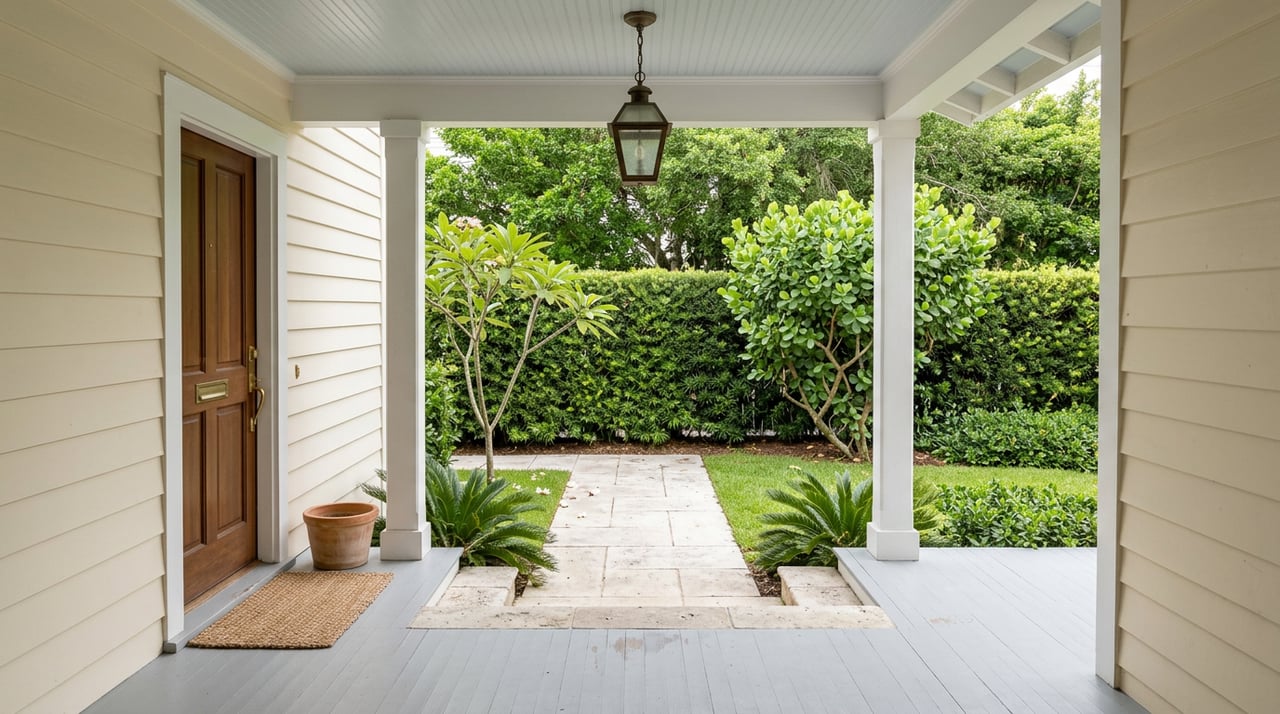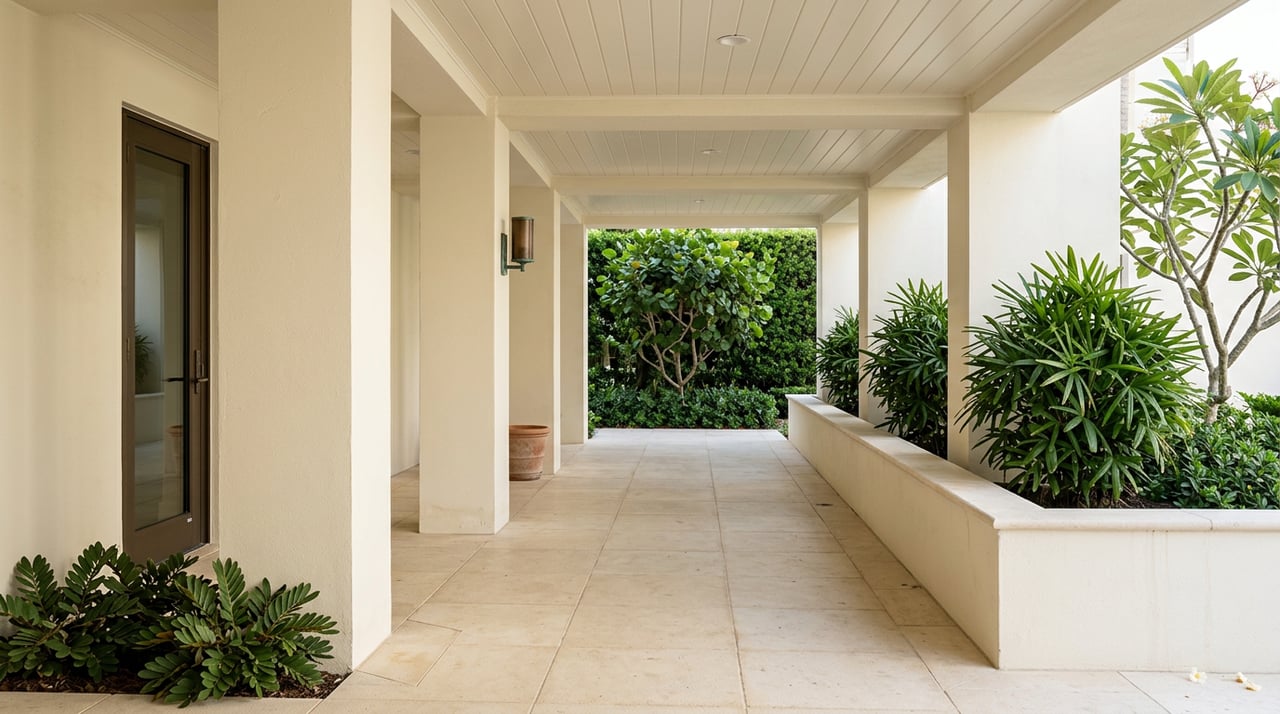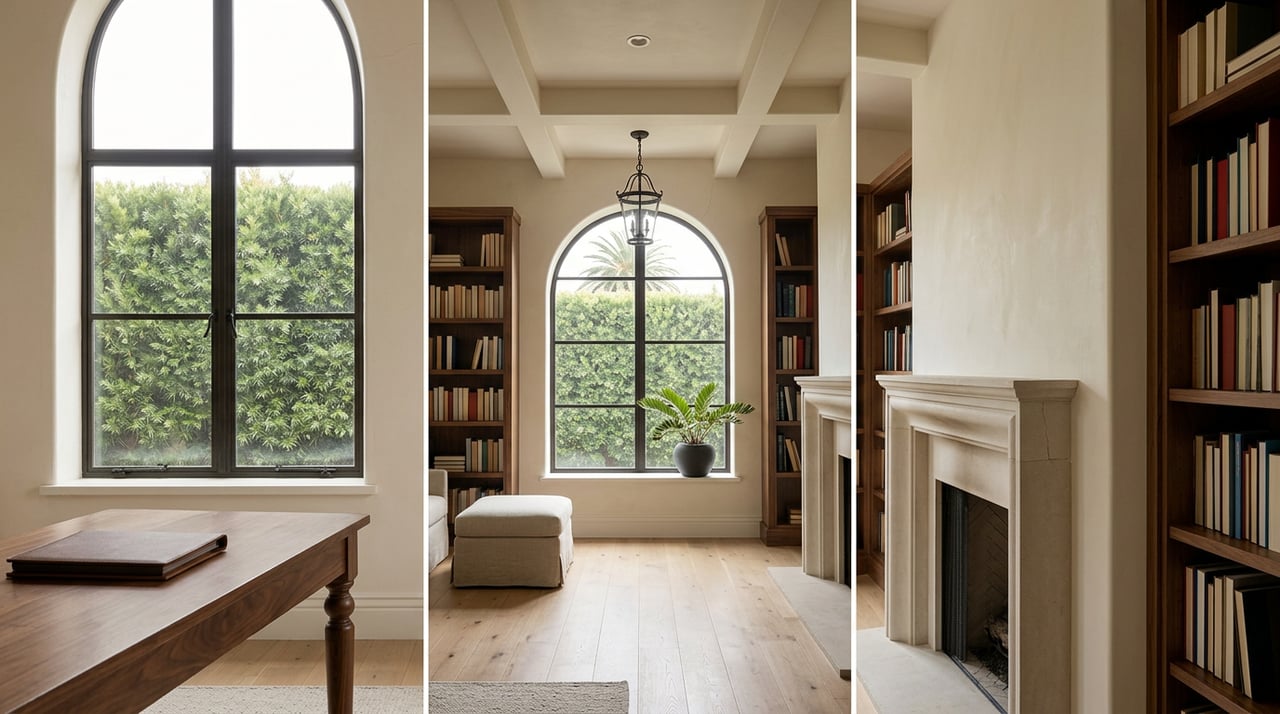
Two homes go on the market in Grey Oaks the same week. Same enclave, same square footage, same lake view, same builder-grade finishes. One closes in six weeks at full asking. The other sits, gets a price cut, and closes forty-five days later for less than the first home's list price. The listing sheets read almost identically. The buyers who walked both houses could not have told you why one deal moved and the other stalled.
The difference was never in the house. It was in two documents that never make it onto a listing sheet: the club membership status attached to the property, and which of Grey Oaks' many homeowner associations that specific address happens to sit inside.
Grey Oaks reads, from the outside, like a single community with one price tag and one amenity package. It is not. Grey Oaks is nineteen separate HOAs layered under one property owners' association, plus a private club with its own membership tiers, its own waitlist, and its own rules about what transfers with a sale and what doesn't. A seller who treats those two layers as paperwork to sort out after an offer comes in is a seller who finds out, mid-escrow, that the deal they thought they had isn't the deal the buyer thought they were getting.
Same Community, Very Different Carrying Costs
Grey Oaks is not a flat-fee neighborhood, and the spread between enclaves is not small. A home in Traditions at Grey Oaks has carried a master association fee of roughly $1,334 a quarter, a separate sub-HOA fee of about $1,448 a quarter, an $8,830 annual mandatory club fee, and a one-time mandatory club charge of $45,000. A home in the Estates at Grey Oaks, by contrast, has carried combined association costs closer to $24,936 a year. Both are Grey Oaks addresses. Both show up in a search filtered the same way. The all-in carrying cost a buyer is signing up for can differ by tens of thousands of dollars a year depending purely on which of the nineteen HOAs governs that street.
For a seller, this matters at the moment of pricing, not at the moment of closing. A buyer's agent who runs true comps will separate Traditions sales from Estates sales from Isla Vista sales, because the fee structures aren't comparable even when the square footage is. A seller who prices off a spreadsheet of "Grey Oaks sales" without sorting by enclave is either leaving money on the table or setting a number the market won't support.
The Membership Line the MLS Remarks Rarely Explain Clearly
Every property owner in Grey Oaks is required to carry at least a Social Membership. That's not optional and it's not a marketing perk. It's a baseline cost of ownership. From there, owners can hold a Sports Membership or a Full Golf Membership, and this is where resale gets complicated.
Full Golf Membership at Grey Oaks is capped at approximately 780 members across the community's three championship courses, a limit the club maintains to protect tee time availability and course conditions. When that cap is full, a buyer who wants golf doesn't simply pay for it. They join a waitlist, or they enter through a Golf-in-Waiting or Sports Membership path with different privileges in the meantime. Whether the specific home you're selling comes with a transferable Full Golf Membership, a Sports Membership that would need upgrading, or nothing beyond the required Social tier is a fact specific to that address and that seller, not a community-wide default.
This is exactly why you'll see active Grey Oaks listings marketed with language like "Immediate Golf Membership Available" as a distinct selling point, separate from the home's finishes or lot. It's not filler copy. It's a genuine differentiator, because the alternative for a buyer might be a multi-year wait. A seller who doesn't know, or doesn't disclose clearly, whether their membership transfers at closing is handing the buyer's agent a reason to slow-walk the offer while they sort it out themselves, usually at a moment when your leverage is highest and their patience is thinnest.
Why the Appraisal Fight Starts Before the Buyer Ever Walks In
Luxury inventory in a private club community creates a narrower comp pool than a standard subdivision, and Grey Oaks is no exception. When an appraiser is asked to value a nine-thousand-square-foot estate in the Estuary, the honest comp set might be four or five sales in the trailing year, not forty. Add in the HOA and membership variation across enclaves, and two homes that look alike on paper stop being true comps at all.
The fix isn't hoping the appraiser figures it out. It's handing them the packet before they need to ask: recent closed sales specific to your enclave, permits pulled for any renovation work, and documented upgrade costs. Sellers who assemble this ahead of the appraisal appointment protect the number they negotiated. Sellers who wait for the appraiser to build the case from scratch are gambling that a stranger, working from thinner data than you have sitting in a folder, lands on your number by coincidence.
The Document That Actually Runs the Timeline
Florida law entitles a buyer to an estoppel certificate, and in a community with this many association layers, it's the single most consequential piece of paperwork in the file. The estoppel itemizes what's owed: regular assessments, any special assessments in progress, capital contributions, resale fees, and transfer fees tied to the property. It's also the document most likely to surprise a buyer late in the process if a seller hasn't requested it early and reviewed it themselves first.
Ordering your own estoppel certificate before you list, rather than waiting for the buyer's side to request it during due diligence, does two things. It tells you exactly what a buyer is going to see before they see it, so nothing in that document becomes a renegotiation point you didn't anticipate. And it shortens the closing timeline, because the certificate is already in hand instead of becoming a scramble against a contract deadline.
What to Assemble Before You List
- A pre-listing inspection covering roof, HVAC, electrical, plumbing, and pool equipment, so you're the one who finds the issue, not the buyer's inspector three weeks into contract.
- Your own estoppel certificate request, filed before you have a signed contract, not after.
- Written confirmation from the club membership office of exactly what transfers with the sale: Social, Sports, or Full Golf, and whether Full Golf transfer is immediate or subject to the waitlist.
- A comp packet specific to your enclave, including permits and documented upgrades, ready to hand to whichever appraiser is assigned.
- Survey, title, and warranty documents gathered early rather than requested reactively once a buyer is under contract.
None of this changes what the house is worth. It changes whether the number you and your agent agree on survives contact with due diligence.
What the Most Recent Numbers Actually Show
Grey Oaks recorded the highest-priced golf-community sale in all of Naples for June 2026: an estate that closed near $11.5 million, roughly ten percent above its asking price. That is not a market absorbing whatever comes to it. It is a buyer with real budget paying a premium for a listing that was priced correctly and documented cleanly enough to survive due diligence without a renegotiation. The properties that command numbers like that are the ones where membership status and association costs were settled facts before the first showing, not open questions discovered during escrow.
FAQ
Does my club membership automatically transfer when I sell? Not automatically. Transfer terms depend on your membership tier and current club policy, and whether Full Golf Membership passes immediately or routes through the waitlist depends on the state of the roughly 780-member cap at the time of your sale. Confirm directly with the club's membership office before you list.
Do I need a lead-based paint disclosure? Grey Oaks homes were built from 1993 onward, so the federal lead-based paint disclosure, which applies only to homes built before 1978, generally does not apply here. Radon gas disclosure, required in every Florida real estate contract regardless of build date, still applies.
Why does the enclave I'm in matter more than the square footage? Because association fees and club obligations attach to the enclave, not just the floor plan. A buyer's agent comparing your home to a "similar" Grey Oaks sale in a different HOA is comparing two different cost structures, and if you don't account for that in your own pricing, you're negotiating against a number the buyer's side already understands better than you do.
Selling in Grey Oaks rewards preparation more than most Naples communities, precisely because so much of what determines value sits outside the four walls of the house. If you're weighing a sale and want a clear read on what your specific enclave and membership status mean for pricing, J2 Luxury Group can walk through the documentation with you before a single showing is scheduled. Discover Elevated Living, and start with a private consultation.