If you plan to spend your winters in Naples, Pelican Bay gives you two standout paths to the beach lifestyle: a lock-and-leave condo or a courtyard-style villa that lives more like a house. The right choice comes down to how you want to live, how much maintenance you want to manage, and whether you plan to rent when you are away. In this guide, you will compare condos and villas through a seasonal-owner lens, with specifics on privacy, space, outdoor living, upkeep, insurance, leasing, financing and due diligence. Let’s dive in.
Pelican Bay at a glance
Pelican Bay is a master-planned, beachfront community in north Naples known for nearly three miles of private white-sand beach, beach pavilions and restaurants, and a tram and boardwalk system through protected mangroves. You can learn more about these amenities on the community’s site at Pelican Bay Foundation.
A master association, the Pelican Bay Foundation, runs the communitywide services such as the boardwalks, trams, beach pavilions, and certain parks and programs. The community’s governance structure and master-association role are outlined in developer and member materials, which you can see referenced in public filings on the SEC’s website.
Inside Pelican Bay, you will also find separate, optional clubs that operate their own amenities. Examples include a private golf club and the Bay Colony enclave with its own beach and tennis clubs. Be sure to distinguish what is covered by mandatory dues versus any optional club memberships.
What counts as a condo vs villa here
Condos in Pelican Bay
Many mid- and high-rise towers across Pelican Bay and Bay Colony offer multi-bedroom floor plans with large terraces, assigned or underground parking, and concierge-style services. Building-level amenities often include staff-managed lobbies, fitness rooms, social spaces, and resort-style pool decks. For a representative look at tower features, explore a Bay Colony building like Trieste on the building’s site.
Villas in Pelican Bay
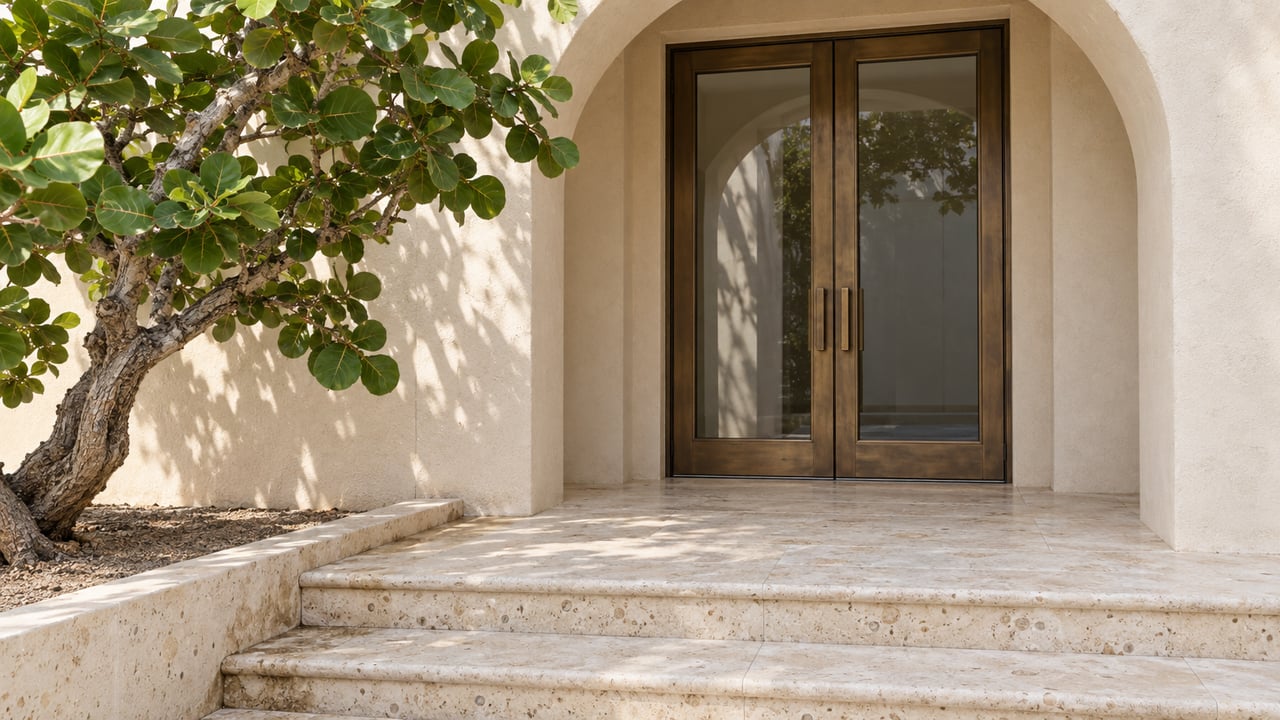
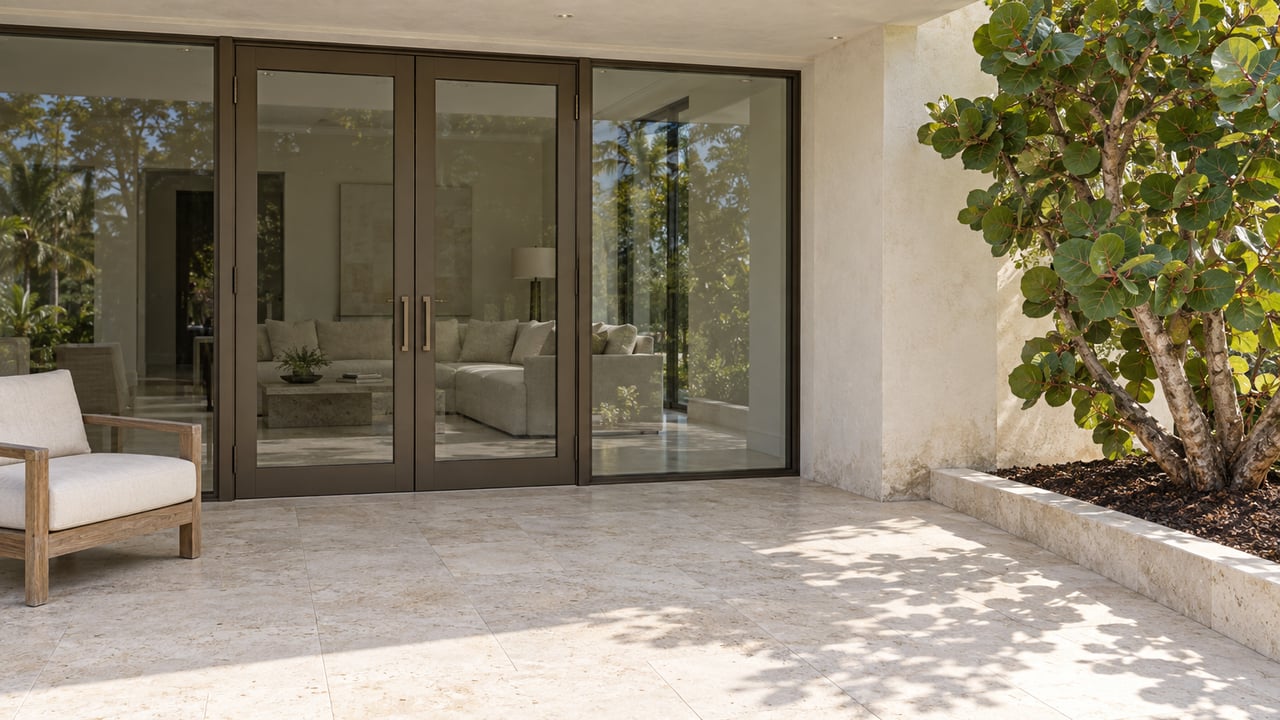
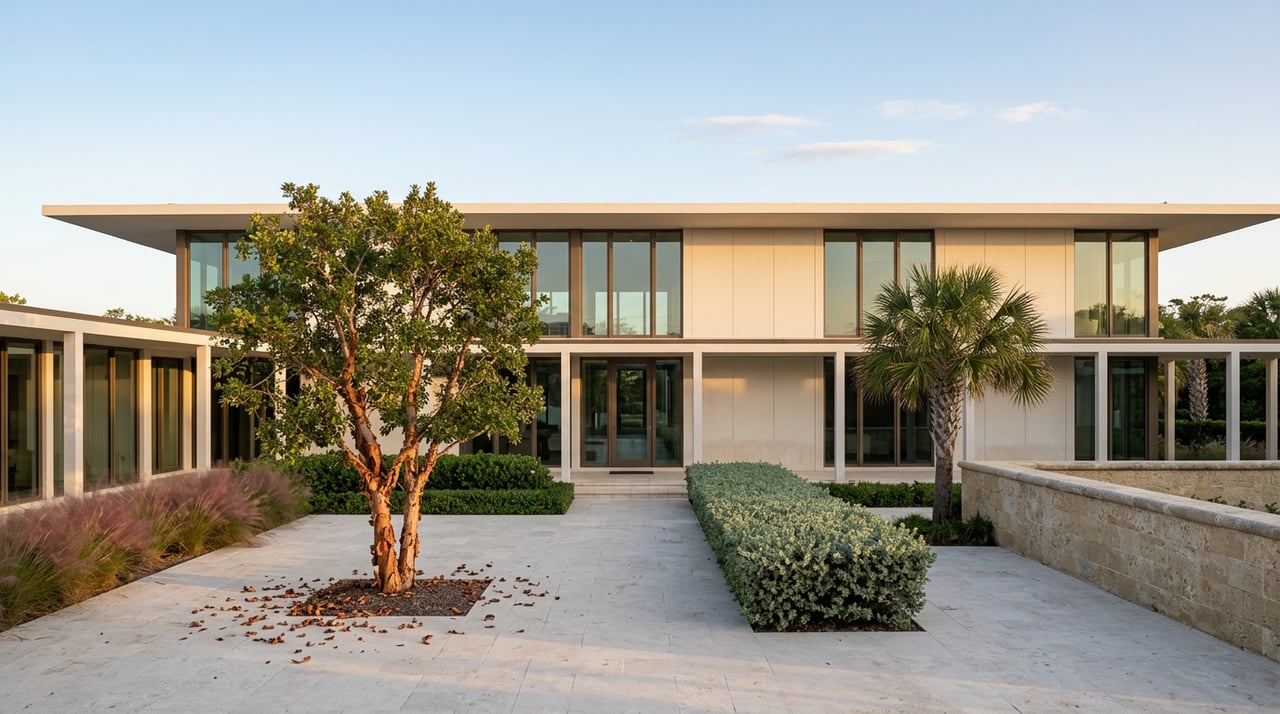
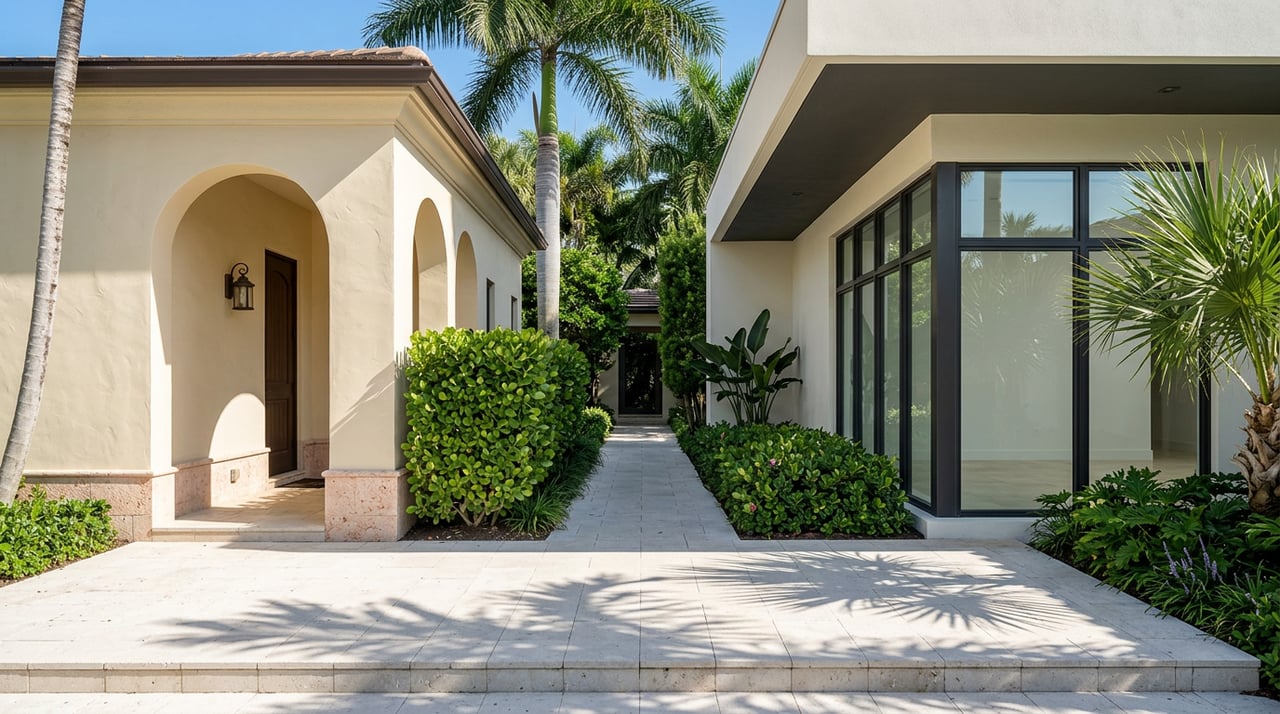
Villas are attached or detached residences that feel more like a private home. They often include a one- or two-car garage, a walled courtyard or screened lanai, and sometimes a small private pool. You get direct outdoor access and a more residential vibe, while still benefiting from an association that may handle exterior or landscape items depending on the neighborhood’s rules.
What seasonal owners notice most
Privacy and proximity
- Condos: You can expect vertical living with neighbors above and below, plus shared corridors, elevators, and social common areas. Pool decks and lounges can be lively during peak season. In exchange, you gain building services and security-minded entries, often with staff on site. For a feel of tower living, review the shared-amenity lineup shown on representative building pages like Trieste.
- Villas: You typically enjoy more immediate privacy from a walled courtyard, private patio, and your own garage. Community pools in villa enclaves are usually quieter than tower decks, and your outdoor spaces feel personal and house-like.
Space, storage and bringing gear
- Condos: Storage is usually interior closets plus an assigned storage room, with assigned or covered parking. This works well if you travel light and value convenience.
- Villas: A garage and added closet space fit bikes, golf clubs, beach setups, and seasonal decor with less juggling. Hosting longer visits may feel easier with direct outdoor space and more flexible storage.
Outdoor living and nature access
- Condos: Large terraces and screened lanais give you elevated views and breezes. Building pools, fitness, and the beach tram are an elevator ride away, which keeps daily life simple.
- Villas: Courtyards, screened patios, and potential private plunge pools make outdoor dining and grilling part of your daily routine. It is a strong fit if you want private al fresco areas.
Maintenance responsibilities and dues
Florida law treats condos and many villa communities differently. Condominiums follow Chapter 718, which typically assigns exterior walls, roofs, and common elements to the association, while owners insure and maintain interiors. Many villa neighborhoods are in homeowner associations that follow Chapter 720, which can place more exterior responsibility on owners. Always review the governing documents for the specific property. For the statutory framework, see the Florida Condominium Act.
In Pelican Bay, you should also budget for two layers of fees in many cases: the building or neighborhood association, plus the master Pelican Bay portion for trams, beaches, and community services. How master assessments are billed can vary by parcel and association. A practical overview of this two-tier setup appears in community-focused materials like this explainer.
Insurance, reserves and safety sweeps
- Condo insurance and loss assessment: Most condo owners carry an HO-6 policy for interior finishes, contents, liability, and loss-assessment coverage. Loss assessment can be crucial in Florida where master policies may have hurricane or percentage deductibles that associations pass through to owners. For a clear overview of condo insurance and loss assessment considerations, review this Forbes Advisor guide.
- SIRS and milestone inspections: New Florida laws enacted after Surfside, including SB 4-D in 2022, require milestone inspections for buildings three stories or higher and structural integrity reserve studies with mandatory reserve funding in many cases. These requirements can raise dues or trigger special assessments if remediation is needed. Before buying in a tower, confirm whether milestone inspections and SIRS are complete and review published plans. See the text of SB 4-D for context.
Leasing, guest access and short-term strategy
Leasing rules vary by association in Pelican Bay. Some buildings allow shorter minimum terms, others set longer stays or overall caps. The master association also outlines how guest and renter cards work for amenities like beaches and trams. If you plan to rent, get the policy in writing and confirm the guest-card process, which you can preview via the Realtor and guest card request page.
Florida has also updated statutes governing how HOAs adopt leasing amendments and how they apply to current owners. If rentals are part of your plan, timing and wording of amendments matter. For an overview of these changes, review this analysis by a Florida community-association law firm on HOA rental amendments.
Financing and project eligibility
Condo buyers who plan to use financing should confirm project eligibility early. Conventional and government-backed lenders evaluate the building’s insurance, reserves, owner-occupancy, litigation, and commercial space. High investor ratios, low reserves, or unresolved structural issues can limit loan programs or require larger down payments. Ask your lender to review the building against the Fannie Mae project standards before you write an offer.
Quick decision checklist for seasonal buyers
Use these questions to narrow your fit:
- How many weeks each year will you occupy the property? If fewer than 12 and you want simple lock-and-leave, a condo with full-time management may be ideal.
- Do you want private outdoor space for daily dining or a plunge pool? Pick a villa for courtyards and private pools, or a condo for large terraces plus building amenities.
- Will you rent when you travel home? Confirm minimum lease terms, rental caps, and guest-card processes before you decide.
- How much maintenance do you want to coordinate? Condos centralize most exterior services. Villas may require a property manager for certain exterior items, depending on the HOA declaration.
- Are you comfortable with SIRS and milestone outcomes? If you are considering a 3-plus story building, request those reports and budget for potential assessments.
- Will you finance? Ask your lender to pre-check project eligibility so you understand your down payment and loan options.
Scenarios: pair your lifestyle and property
- Prefer a social, low-maintenance season: Choose a staffed tower with secure entry, concierge-style services, and quick tram access to the beach. You trade a private yard for larger terraces and full-service living.
- Want privacy and space for bikes, beach gear, or a grill: Select a villa with a garage and walled courtyard. You gain a house-like layout and private outdoor areas.
- Plan to rent when away: Only buy in a community that permits your intended lease length, and verify guest cards and lender eligibility before you commit.
Smart due diligence for any Pelican Bay purchase
Build these steps into your offer and inspection timelines:
- Request the association declaration, bylaws, rules, operating budget, latest reserve study, recent meeting minutes, and any SIRS or milestone inspection reports. Use contingencies tied to receiving and reviewing these items. The maintenance split in Chapter 718 offers helpful background on what condos typically cover, which you can review in the Florida Condominium Act.
- Verify master-association assessments. Confirm whether Pelican Bay master dues are billed through the building or directly to owners, and what they fund. A high-level overview of this two-tier structure is outlined in resources like this explainer.
- Get the rental rules and guest-card policy in writing. Ask for the process and any restricted dates. You can preview guest-card procedures on the Pelican Bay site.
- Run a project-eligibility check early if you need a loan. Align your offer timeline with lender review of the building using the Fannie Mae standards.
- Price insurance with a Florida-savvy agent. For condos, confirm HO-6 limits and loss-assessment endorsements. For any property, check flood requirements based on lender and location.
The bottom line
Both options in Pelican Bay deliver the same coveted coastal lifestyle, with private beach access, trams through mangroves, and a calendar of community activity. Condos tend to win for convenience, centralized services, and easy lock-and-leave living. Villas deliver privacy, direct outdoor space, and garage storage that feels like a single-family home. The best fit depends on how you want to spend your season, how much you will be here, and how much you want to manage.
When you are ready to compare specific buildings and villa enclaves, we will help you weigh maintenance, fees, rental flexibility, project health, and resale strength so you buy with confidence. To start a tailored conversation about Pelican Bay, connect with J2 Luxury Group. Discover Elevated Living. Schedule a Private Consultation.
FAQs
What amenities come with Pelican Bay ownership?
- Most homes in Pelican Bay fall under the master association, which operates the trams, boardwalks, and beach pavilions, along with community programming. Optional private clubs inside the community are separate and may require additional memberships.
How do Florida SIRS and milestone inspections affect condo buyers?
- If you are buying in a building three stories or higher, the association must complete milestone inspections and a structural integrity reserve study, with mandatory reserve funding in many cases. This can influence dues and assessments, so request and review the reports before closing.
What are typical rental rules for Pelican Bay condos and villas?
- Rules vary by association. Some buildings allow shorter leases, others require longer terms or cap the number of leases per year. Confirm minimums, caps, and guest-card processes in writing before relying on rental income.
How do Pelican Bay master dues interact with building or HOA fees?
- Many owners pay two layers: the neighborhood or building association fee plus the master-association portion for shared services like trams and beaches. How you are billed can vary by community, so ask for a fee breakdown during due diligence.
What insurance do condo buyers in Pelican Bay usually need?
- Condo owners commonly carry an HO-6 policy that covers interior finishes, contents, liability, and loss-assessment coverage related to association deductibles. Your lender or association may also require flood insurance depending on location.