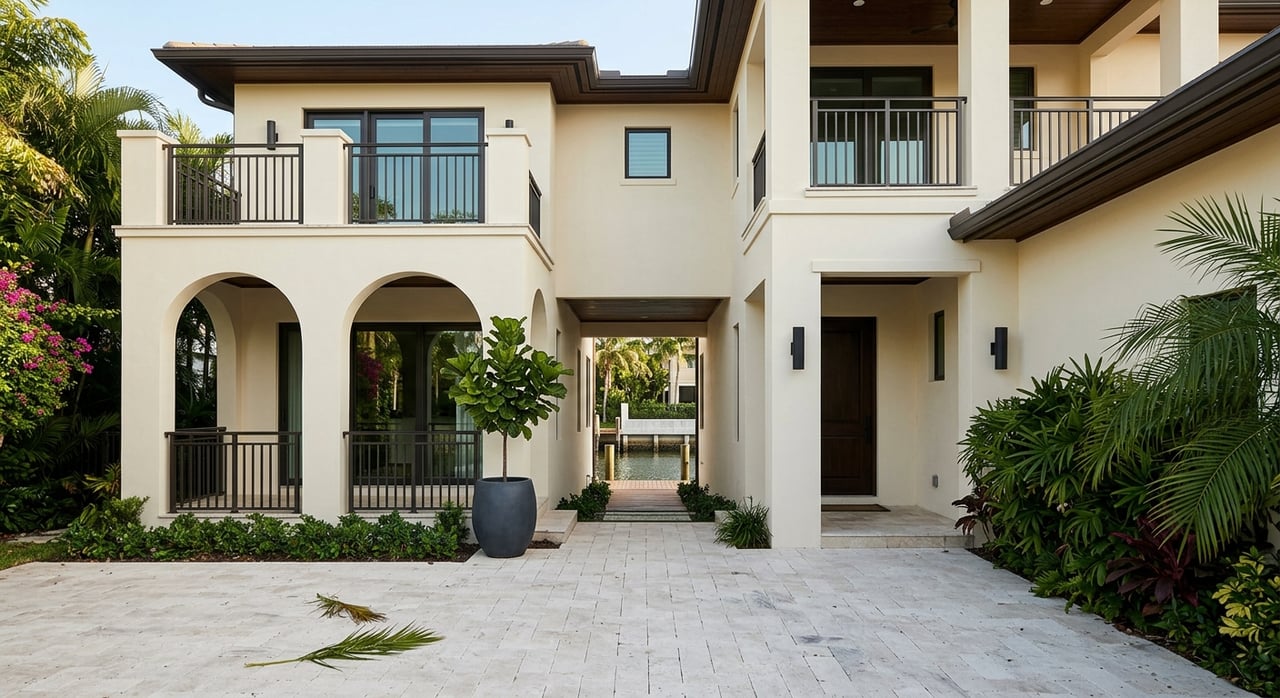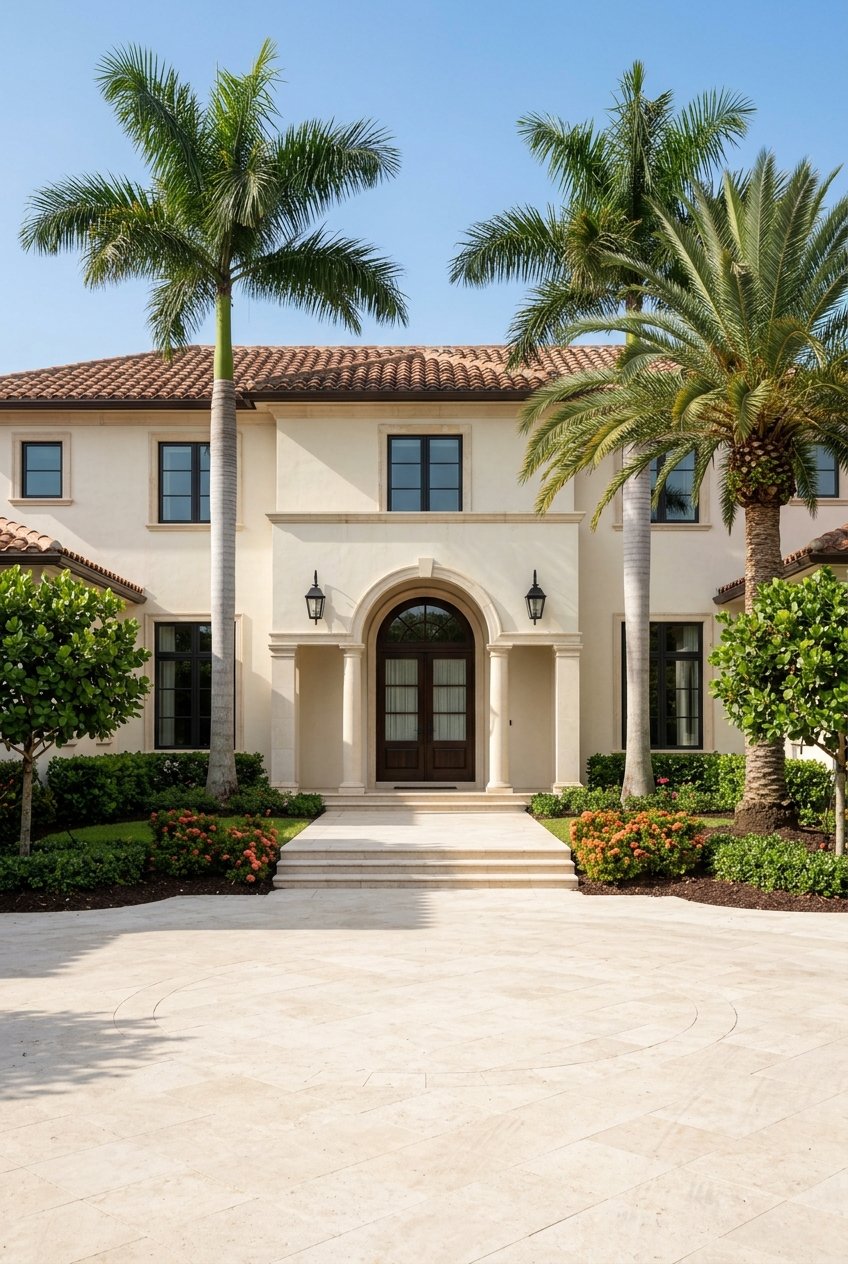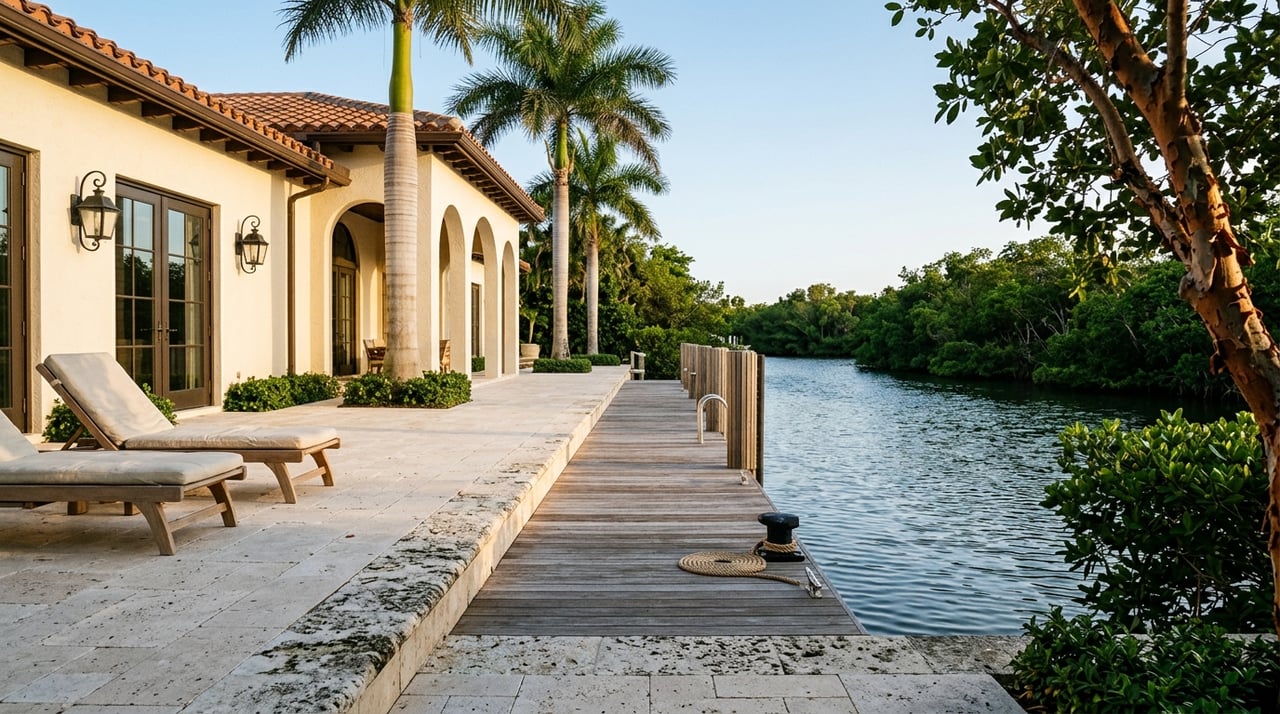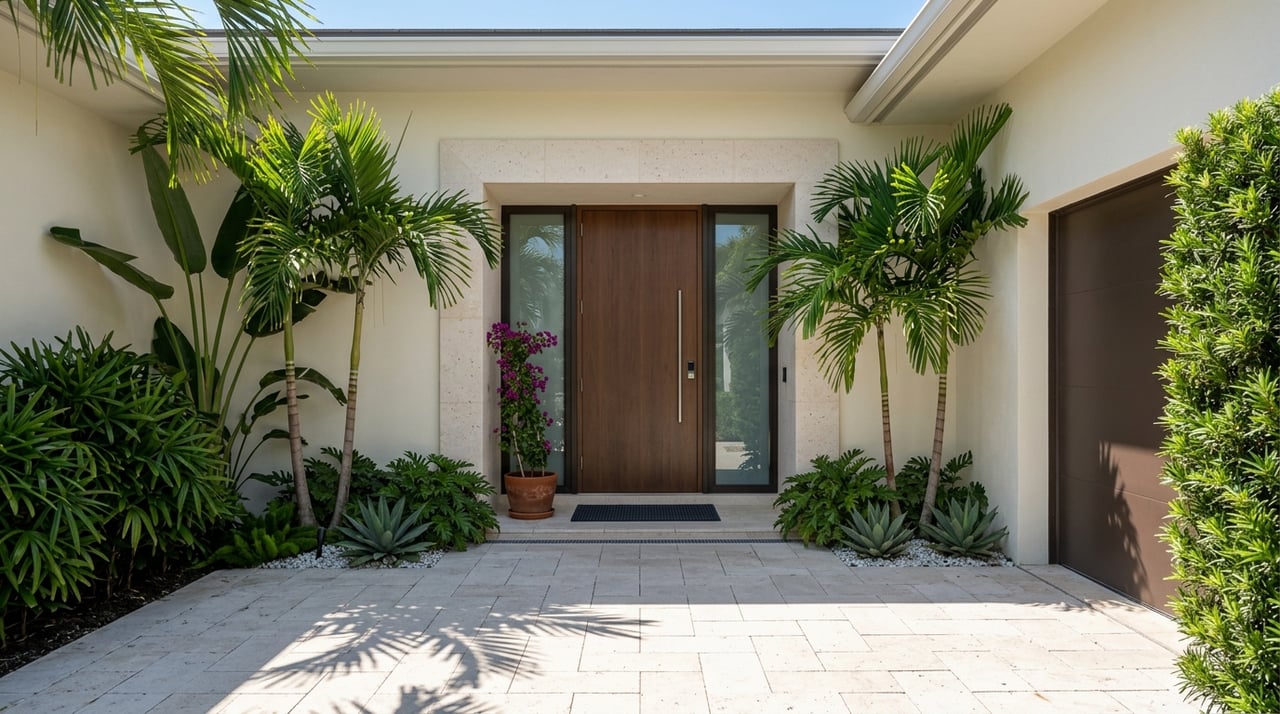
If your ideal Naples home is one you can enjoy the day you arrive and leave with confidence when the season ends, Olde Naples deserves a close look. This neighborhood blends coastal charm, walkable daily living, and a range of luxury homes that can fit a lower-maintenance lifestyle. For second-home buyers and seasonal owners, understanding how Olde Naples works in practice is just as important as appreciating how beautiful it feels. Let’s dive in.
Why Olde Naples works so well
Olde Naples offers something many luxury buyers want but do not always find in one place: character, convenience, and a compact layout. The City of Naples describes it as one of the city’s most historically layered areas, with many of the original homes and a mix of old and new residences set among mature palms and tropical landscaping.
That setting supports a lifestyle that feels established and relaxed rather than sprawling or high-maintenance. If you are looking for a seasonal residence, that matters. A home that fits neatly into your routine can feel far more effortless than a larger property that needs constant attention.
Walkable daily living
One of Olde Naples’ biggest advantages is how much of everyday life is close at hand. Downtown Naples is anchored by Fifth Avenue South and Third Street South, with boutique shopping, art galleries, restaurants, the Naples Players, and access to the Naples Pier and Gulf beaches.
For you, that can mean less planning and more spontaneity. Instead of building your day around driving and property upkeep, you can often step outside and enjoy dinner, a stroll, or the beach within a short distance.
Easier arrivals and departures
Lock-and-leave living is not just about the home itself. It is also about how easy it is to come and go. The City of Naples notes that Naples Airport is the only airport within the city proper, while Southwest Florida International Airport is about 30 miles away.
That convenience can be especially appealing if you split time between Naples and another home in the Northeast or Midwest. The city also notes that Naples Trolley service reaches many tourist attractions, which adds another layer of flexibility when you are in town.
The homes that fit this lifestyle
Olde Naples is not a one-note neighborhood. Its housing stock reflects the area’s history and ongoing evolution, which gives buyers several paths into the market depending on how much space, upkeep, and architectural character they want.
The Naples Historical Society identifies Historic Palm Cottage, built in 1895, as the oldest house in Naples, and the City of Naples notes a substantial inventory of historic buildings. In practical terms, that helps explain why preserved cottages, renovated older residences, and newer luxury homes can exist side by side on the same small-grid streets.
Historic charm without estate upkeep
Many buyers are drawn to Olde Naples because it offers a cottage-scale setting with a refined coastal feel. That does not always mean you need to take on a large lot or a property with extensive exterior maintenance.
For lock-and-leave ownership, the most relevant options are often condominiums and other attached homes that reduce the work tied to landscaping, exterior care, and large-yard management. You may still enjoy the atmosphere of Olde Naples while simplifying what ownership asks of you between visits.
Newer and renovated options
If you love the location but want more modern finishes or systems, Olde Naples can also appeal to you for that reason. The neighborhood’s mix of old and new means some homes offer updated interiors, newer construction standards, or a more streamlined ownership experience while still placing you close to downtown and the beach.
That combination can be particularly attractive if you want a home that feels polished and current but still belongs to a well-established Naples setting.
What lock-and-leave really means
The phrase sounds simple, but in luxury real estate it should mean more than low maintenance in theory. A true lock-and-leave property should support your lifestyle operationally, financially, and logistically.
In Olde Naples, that usually comes down to a few core questions. How much maintenance shifts to an association? How close are you to the places you plan to enjoy most? And what local rules or coastal realities should you understand before you buy?
Lifestyle first, upkeep second
Visit Naples describes downtown as a place for strolling, al fresco dining, and easy access to Fifth Avenue South, Third Street South, the Naples Pier, and Gulf beaches. That makes the day-to-day appeal easy to understand.
For many second-home owners, the real luxury is not just the address. It is the ability to spend your time enjoying Naples instead of coordinating constant property tasks. In Olde Naples, that balance is often a major part of the appeal.
The tradeoff: less sprawl, more access
Buyers who choose Olde Naples are often prioritizing access over acreage. If you want a large estate footprint, detached guest structures, or extensive grounds, another neighborhood may offer more of that profile.
But if your priority is elegant, convenient living in one of Naples’ most recognizable coastal settings, Olde Naples can be a strong fit. It offers proximity to lifestyle amenities that many seasonal buyers value more than extra land.
Key due diligence for condo buyers
If you are considering a condominium or other attached residence, association review is a major part of the decision. In Florida, current condo rules make reserve studies, inspections, and financial planning especially important to evaluate before you commit.
Under state law, certain residential condominium associations in buildings three habitable stories or higher must complete structural integrity reserve studies every 10 years. Existing unit-owner-controlled associations on or before July 1, 2022 must complete a required study by December 31, 2025, and some associations may complete the study alongside a milestone inspection by December 31, 2026.
Why reserve studies matter
A lock-and-leave home should feel predictable. That is why reserve funding and association planning deserve a close read. Florida’s DBPR guidance notes that if reserve funding is insufficient, an association may need to levy assessments or obtain financing to meet reserve schedules.
For you, that means monthly ownership costs do not tell the whole story. A residence with a lower-maintenance format may still come with future financial obligations, so it is worth understanding the association’s planning and current position.
Disclosure rules to know
Florida disclosure rules add another layer of buyer protection. For contracts entered into after December 31, 2024, sellers must state whether a required milestone inspection, turnover inspection report, or structural integrity reserve study has been completed.
Buyers are entitled to receive the most recent study, or a statement that one has not been completed. If required disclosures are not provided, the contract is voidable. For second-home buyers purchasing from out of state, this can be a critical part of making a confident decision.
Coastal practicalities to understand
Olde Naples offers a remarkably easy lifestyle, but it is still a coastal neighborhood. That means a smart purchase should account for beach access logistics and flood diligence, not just finishes and floor plans.
Beach parking and access
Being close to the beach is a major part of the Olde Naples draw, but it helps to know the local rules. The City of Naples says beach parking is enforced year-round and requires either a beach parking permit or pay-by-space payment.
The city also notes that 24 beach ends are reserved for City of Naples and Collier County permit holders only. So while the beach may be nearby, your exact day-to-day experience can depend on whether you plan to walk, drive, or secure the appropriate permit.
Flood-zone diligence
Flood review should be part of every coastal purchase conversation. The City of Naples says the area is particularly susceptible to flooding from major rain events and storm surge, and that 2024 Flood Insurance Rate Maps are in effect.
Before you buy, flood-zone status should be confirmed through an official flood-zone determination. This is especially important if you are relocating from a region where flood insurance and coastal risk work differently than they do in Southwest Florida.
Questions to ask before you buy
When you tour homes in Olde Naples, it helps to go beyond finishes and staging. The right questions can quickly reveal whether a property truly supports the lock-and-leave lifestyle you want.
Consider asking:
- How close is the property to Fifth Avenue South, Third Street South, and the beach?
- Is the home a condominium, attached residence, cottage-style property, or detached single-family home?
- What exterior and building maintenance is handled by the association?
- Have required reserve studies or milestone inspections been completed, if applicable?
- Are there current or potential assessments to account for?
- What flood-zone designation applies to the property?
- What insurance considerations come with the address and property type?
These questions can help you compare homes more clearly. They also help separate a home that simply looks easy from one that is genuinely easy to own.
Why local guidance matters in Olde Naples
In a neighborhood like Olde Naples, the details shape the experience. Two homes can be only a few blocks apart yet offer very different ownership rhythms depending on walkability, property type, association structure, and coastal exposure.
That is why buyers often benefit from a relationship-first, local approach. If you are buying from out of state, considering a sight-unseen purchase, or narrowing down the right low-maintenance luxury fit, market knowledge on the ground can make the process far more efficient and far less stressful.
Olde Naples has enduring appeal for a reason. It combines history, beach-town energy, and elevated everyday convenience in a way that few neighborhoods can. If your goal is a refined Naples residence that supports seasonal living with less friction, it is well worth a serious look.
If you are exploring lock-and-leave luxury living in Olde Naples, J2 Luxury Group offers a consultative, neighborhood-focused approach to help you evaluate lifestyle fit, property options, and the details that matter most.
FAQs
What makes Olde Naples appealing for lock-and-leave luxury buyers?
- Olde Naples combines walkable access to downtown, dining, shopping, arts venues, and Gulf beaches with housing options that can reduce day-to-day upkeep compared with larger estate properties.
What types of homes support lock-and-leave living in Olde Naples?
- Condominiums and other attached homes are often the most obvious fit because they can reduce exterior maintenance, though some renovated or smaller-scale single-family homes may also appeal depending on your ownership goals.
What should condo buyers review in Olde Naples before purchasing?
- You should review association maintenance responsibilities, reserve funding, any required structural integrity reserve study or milestone inspection status, and the possibility of current or future assessments.
What should second-home buyers know about beach access in Olde Naples?
- The City of Naples says beach parking is enforced year-round, requires a permit or pay-by-space payment, and includes beach ends reserved for permit holders, so it is important to understand how you plan to access the beach regularly.
Why is flood-zone research important for Olde Naples homes?
- Because the City of Naples says the area is susceptible to flooding from major rain events and storm surge, buyers should confirm flood-zone status through an official flood-zone determination before purchase.