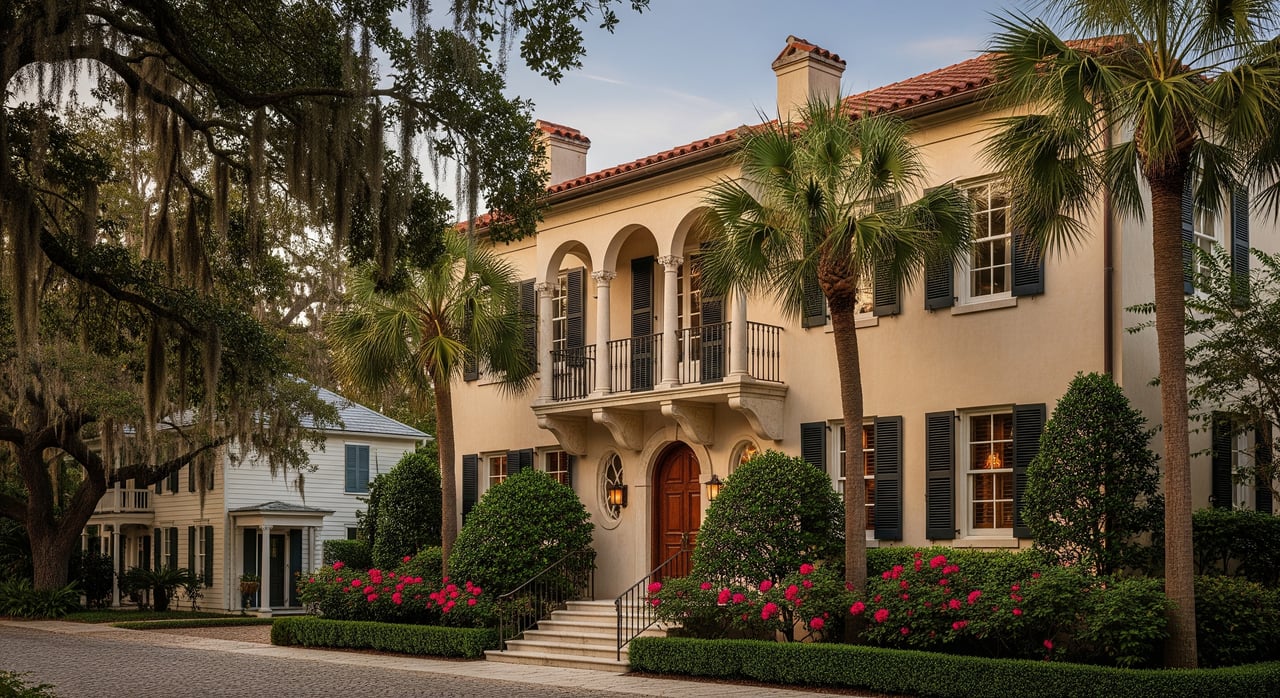
What draws you to Olde Naples is not just the beach or the café-lined streets. It is the way the homes feel at human scale, with porches, breezeways, and light-filled rooms that invite the outdoors in. If you want a home that fits the downtown rhythm, understanding the architectural styles that shape this neighborhood will help you choose with confidence. In this guide, you will learn the three defining looks of Olde Naples, how each one handles our light and lot patterns, and what to consider for code, durability, and resale. Let’s dive in.
Olde Naples in context
Olde Naples is the city’s historic, downtown-adjacent core with short blocks and walkable access to 5th Avenue South, 3rd Street South, and the Gulf beaches. The urban form prizes street-facing facades, porches, and front yards that connect life at home with life on foot. For a quick sense of the pedestrian-friendly layout, review the broader city on the Walk Score overview of Naples and the Naples Chamber’s business district resources.
Lots here tend to be narrower with shallower setbacks than in the suburbs, which favors vertical massing and porch-forward entries over sprawling single-story plans. That pattern is part of the charm, and it guides which styles feel most authentic on each block.
Parts of the area include older homes and districts with design-review processes. If you are planning renovations or a new build in a historically sensitive zone, expect an exterior review step through the City of Naples historic preservation process. Coastal risk also shapes decisions. Before you plan, check your flood zone and base flood elevation on the FEMA Flood Map Service Center, and be aware that hurricane wind and impact protections are governed by the Florida Building Code. Permitting is handled locally through the city and county; you can preview requirements with Collier County permitting.
Three styles that define Olde Naples
Classic Coastal Cottage
The classic coastal cottage, sometimes called Old Florida or coastal vernacular, is the neighborhood’s porch-swing heart. You will see simple gabled roofs, human-scaled entries, vertically oriented windows, and wood or fiber-cement lap siding. One to one-and-a-half stories keeps the massing modest and friendly to the street.
Materials and details are straightforward and durable: lap siding, wood or composite trim, shingle or metal roofs, and expressive porch elements like columns and exposed rafter tails. Overhanging eaves and deep porches shade interiors and encourage cross-breezes, while raised floors support flood resilience where required.
On Olde Naples’ narrow lots, this style shines. A porch-forward plan creates a natural bond with the sidewalk, and a smaller footprint preserves side yards and privacy. If your lot faces stronger afternoon sun, you can lean on porch depth, eaves, and shutters to cut heat gain without losing light.
Who it fits: buyers seeking a cozy, authentic downtown feel, where daily life flows from the kitchen to the porch and out to dinner on 5th or 3rd.
West Indies coastal
West Indies or Caribbean-inspired homes give you relaxed elegance with a tropical sensibility. Expect one-and-a-half to two stories, generous overhangs, and porches or verandas that often wrap corners. Shuttered windows, tall ceilings, and sometimes metal roofs reinforce the airy character.
Cladding ranges from smooth stucco to painted wood, paired with louvered shutters and robust porch columns. Elevated foundations or pilings are common near the coast, and materials are chosen to stand up to salt air.
This style loves light and cross-ventilation. It performs especially well on corner or wider lots where porches can open to multiple orientations. Breezes move through, and sunlight is softened by deep shade. In a walkable neighborhood, the wide veranda becomes a social threshold that still respects privacy.
Who it fits: buyers who want a breezy, resort-like feel with room for larger outdoor rooms, yet still scaled to the street.
Modern coastal
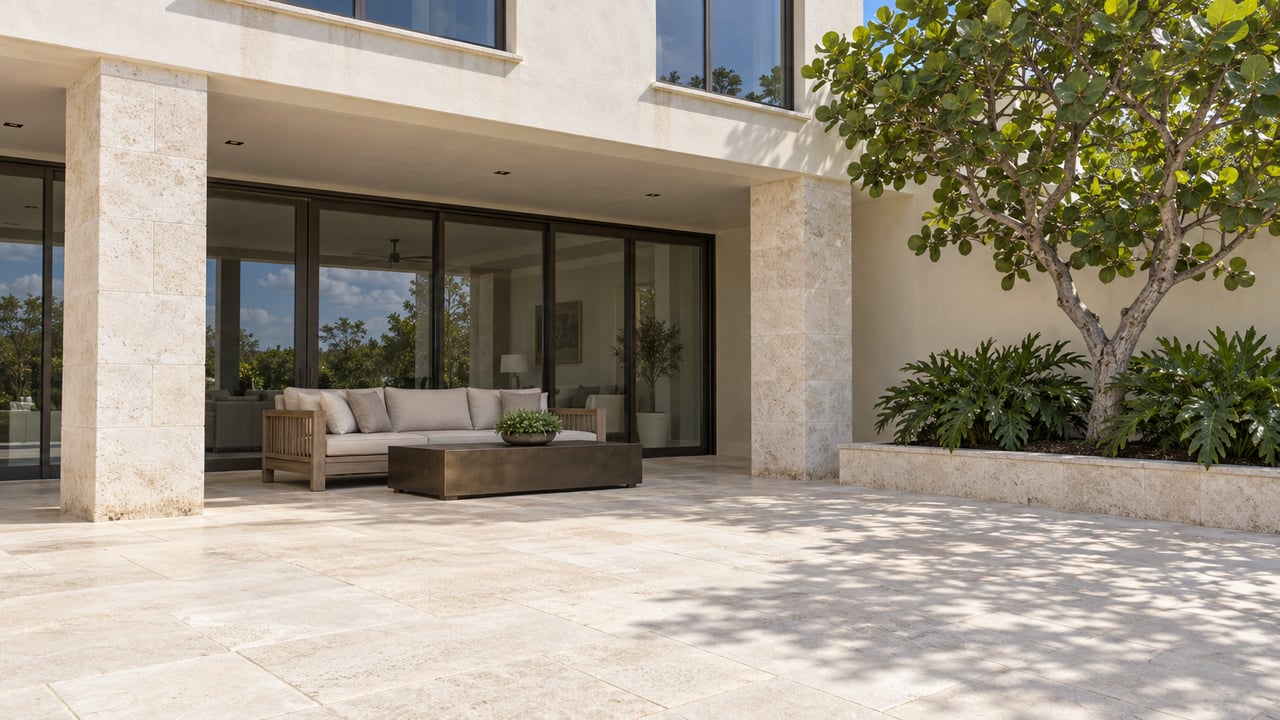
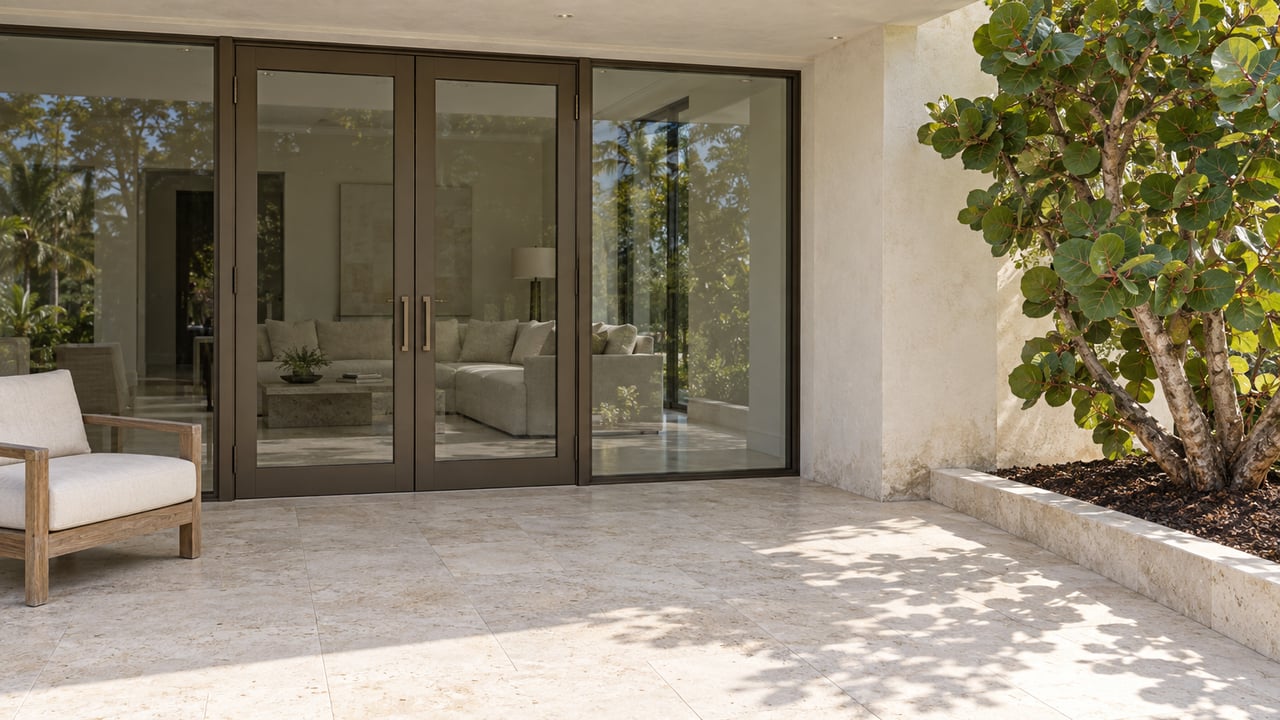
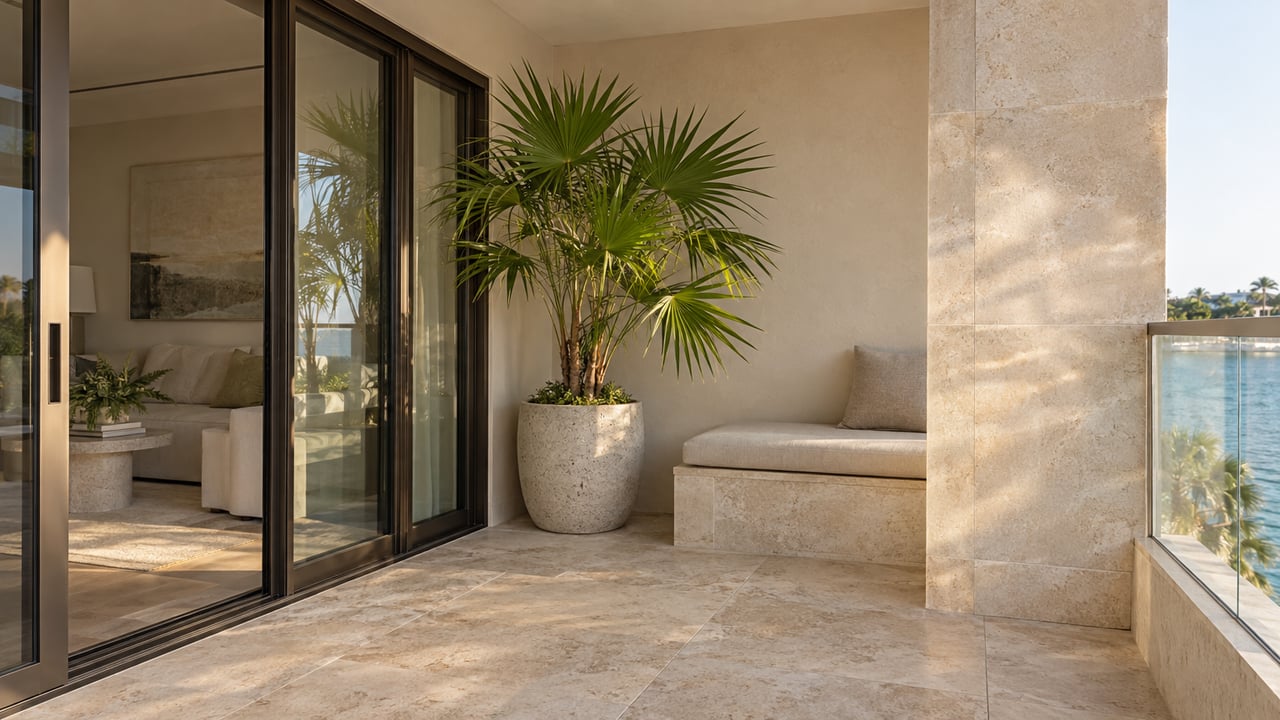
Modern coastal homes deliver clean lines, open plans, and big sky-light-glass moments. Flat or low-pitched roofs, wide sliders, and roofed outdoor rooms create strong indoor-outdoor connections. The palette is simplified: stucco or fiber-cement, concrete, impact-rated glass, and crisp metal accents for a low-maintenance profile.
Shading is key. Large overhangs, screened loggias, and engineered sun-control strategies help manage heat gain while keeping interiors bright. Code-forward design is standard, with impact glazing and elevated floors where flood maps require them.
On downtown lots, modern coastal can be expressed as vertical, articulated volumes that respect neighborhood scale through recessed upper floors and carefully proportioned facades. Orientation matters. Privacy can be handled with courtyard plans and strategic glazing, especially on lots with alley access or deeper rear yards.
Who it fits: buyers drawn to contemporary comfort and flexibility, as long as the design nods to the neighborhood’s rhythm of porches, setbacks, and pedestrian scale.
Climate, code, and durability
In coastal Collier County, resilience is not optional. Check your property’s flood zone and base flood elevation on the FEMA Flood Map Service Center early in your process. Elevation rules, foundation types, and mechanical equipment placement often hinge on those maps.
Hurricane wind standards in the Florida Building Code drive impact-rated windows or approved shutters, roof-to-wall connections, and structural detailing. Local permit reviewers will look closely at these elements. Review timelines and submittals are outlined by Collier County permitting and the City of Naples.
Salt air accelerates corrosion, so choose materials that age well: fiber-cement siding, composite decking, and marine-grade or coated metals. Plan landscaping with native, salt-tolerant species and ensure proper drainage to protect structures and meet local stormwater standards.
Insurance and financing can be affected by elevation and impact protections. Many owners find that code-compliant upgrades, from impact glazing to improved roofing connections, can help with long-term risk management.
How to match style to your lot
Choose a style that works with your site’s size, exposure, and street presence. Here is a quick fit guide:
- Narrow, shallow lots with a strong street edge: Classic Coastal Cottage. A porch-forward design respects the scale of Olde Naples and maintains privacy with smart side-yard use.
- Corner or wider lots with multiple exposures: West Indies coastal. Wrap porches and verandas capture breezes and filter sunlight from several directions.
- Lots with defined views or stronger privacy options: Modern coastal. Use glazing and open plans to frame outlooks, then control sun with overhangs and screens.
Orientation tips to keep interiors bright and cool:
- Place everyday living spaces where they receive soft morning light and afternoon shade.
- Use deeper porches and louvers to tame late-day western sun.
- Select tree placement and landscape screening to filter glare while keeping sightlines to the street.
Renovation or new construction
Renovating an older cottage can preserve charm and may require less than a full rebuild. You gain curb appeal and connection to the neighborhood fabric. The tradeoff is integrating modern systems and meeting current flood and wind standards, which can add cost. If your property sits in a historically sensitive area, plan for exterior review through the City of Naples historic preservation process.
New construction delivers full control over layout, performance, and resilience. You can reinterpret traditional styles with higher-performance materials or embrace a modern coastal vision that still reads at the right scale. Expect a longer permitting runway and careful massing to align with neighboring homes.
Regardless of path, most projects in Olde Naples should anticipate impact-rated openings or approved shutters, robust roof connections, HVAC sized for humidity and salt exposure, and compliance with flood elevation rules. Early coordination with local permitting teams via Collier County permitting and a review of your flood zone on FEMA’s map portal keep surprises down.
Maintenance and resale
Coastal exposure increases wear. Plan for periodic repainting, roof inspections, corrosion checks on metal elements, and proactive HVAC maintenance. Choosing fiber-cement siding, coated metal roofing, and composite decking can reduce lifecycle costs over time.
For resale, buyers respond to homes that feel at home on the street. Designs that echo Olde Naples’ porch-forward rhythm, modest massing, and durable coastal materials tend to show well and maintain value. Contemporary homes can perform very well when their facades, setbacks, and outdoor rooms reflect the neighborhood’s human scale.
Ready to explore Olde Naples homes?
If you are drawn to the light, walkability, and polished ease of Olde Naples, it pays to choose a home whose architecture supports the way you want to live. Whether that is an updated cottage with morning coffee on the porch, a West Indies veranda that wraps afternoon gatherings in shade, or a modern coastal retreat that opens wide to the breeze, your best fit starts with the site and the style.
You deserve a partner who blends local insight with a consultative approach. Connect with the J2 Luxury Group to map your options by lot, style, and lifestyle. Discover Elevated Living — Schedule a Private Consultation.
FAQs
In Olde Naples, which architectural styles are most common?
- Classic coastal cottages, West Indies–inspired coastal, and modern coastal are the primary styles, with occasional Mediterranean Revival cues blended in.
How do FEMA flood rules affect a remodel in Olde Naples?
- Your flood zone and base flood elevation can trigger raised floor requirements and influence foundation and mechanical placement; verify specifics on the FEMA Flood Map Service Center.
What permits or reviews might I need for exterior changes in Olde Naples?
- Exterior work can require building permits and, in historically sensitive areas, design review through the City of Naples historic preservation process and local permitting via Collier County.
Which materials best handle salt air near downtown Naples?
- Durable choices include fiber-cement siding, composite decking, coated or marine-grade metals, impact-rated glass, and metal roofs with corrosion-resistant finishes.
Is a modern coastal home a good fit on a narrow Olde Naples lot?
- Yes, when massing is articulated to the street scale, with recessed upper levels, careful glazing, and shading strategies that respect neighbors and the pedestrian rhythm.